Plan your trip
Where to Stay in Lisbon: Neighbourhood Guide
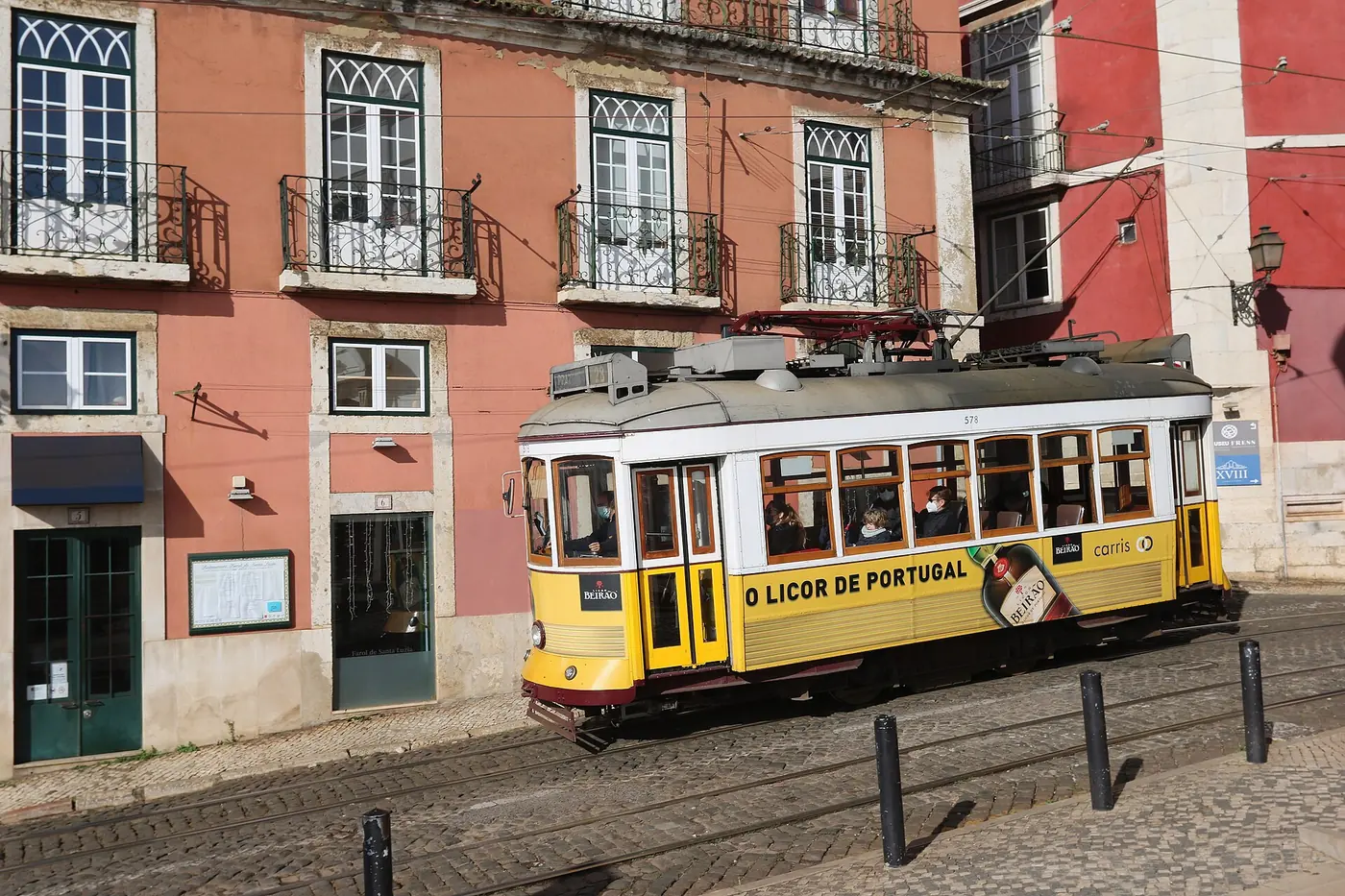

Short answerFor first-time visitors, Baixa and Chiado are the most convenient bases, with easy transport and walkable sights, but they get busy during the day. Alfama and Bairro Alto offer more atmosphere and nightlife but come with hills, noise, and crowds. Belém is quieter and museum-heavy but farther from the centre, while areas like Ajuda are good alternatives during peak tourist times.
Baixa and Chiado: central and convenient
Baixa is Lisbon's downtown, rebuilt in a grid after the 1755 earthquake. It's flat, walkable, and packed with sights like Praça do Comércio, Rua Augusta Arch, and Santa Justa Lift. Chiado, just uphill, adds theatres, shops, and cafés like A Brasileira and Martinho da Arcada.
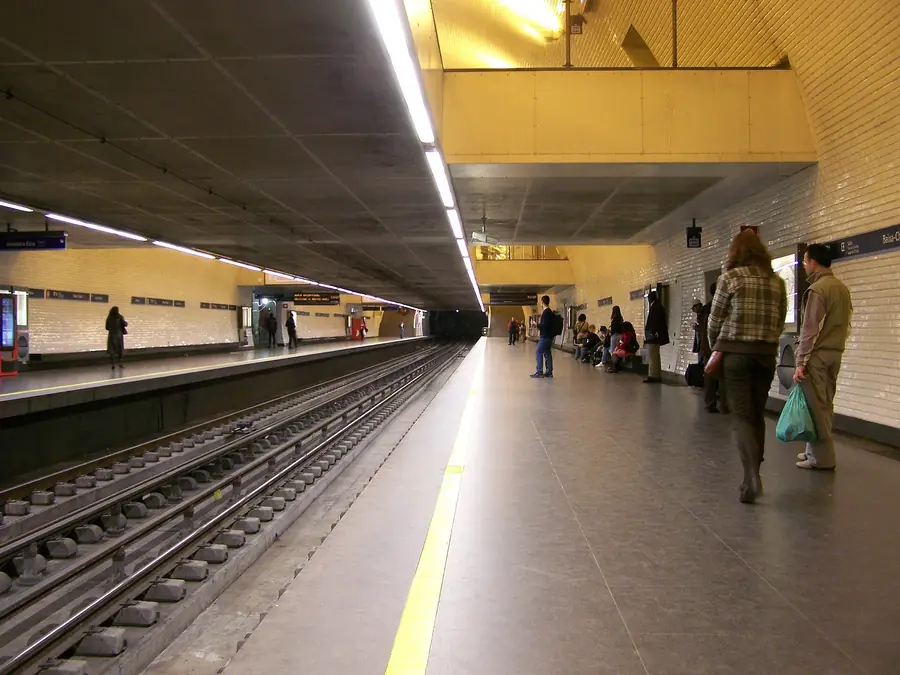
Pros: central, good metro access, many restaurants and shops. Cons: can feel touristy and crowded, especially in summer. Travellers report that main neighbourhoods like Baixa and Chiado get busy during the day, so consider lesser-known areas like Ajuda during peak times.


Alfama and Mouraria: historic and atmospheric
Alfama is Lisbon's oldest district, a maze of narrow streets below São Jorge Castle. It's home to Miradouro de Santa Luzia, Panteão Nacional, and Igreja de São Vicente de Fora. Mouraria, adjacent, is similarly historic and multicultural.
Pros: unbeatable atmosphere, viewpoints, and traditional restaurants. Cons: very hilly, noisy, and easy to get lost. Also, prices in Alfama can be high: travellers report a chouriço can cost €10 in June, and a table with two chouriços, salad, sangria, and bread could be €25-30. Be careful in the area between Martim Moniz and Jardim da Cerca da Graça, which travellers report is rough.
Local tipIf you want to ride Tram 28 but avoid the long queue at Martim Moniz, board it in Estrela instead. Travellers report waits of 30-45 minutes at the start, but you can often get a seat and skip the crowd by catching it midway.
Bairro Alto and Príncipe Real: nightlife and trendy
Bairro Alto is the centre of Lisbon's nightlife, with bars and restaurants lining its grid of streets. It's also home to Miradouro de São Pedro de Alcântara and Igreja do Loreto. Príncipe Real, uphill, is trendier with boutiques, cafés like Pão de Canela, and the Cinemateca Portuguesa.
Pros: great for nightlife, dining, and viewpoints. Cons: very noisy at night, steep hills, and some streets can feel sketchy after dark. Travellers report aggressive drug dealers in Bairro Alto, sometimes approaching every 30 seconds, so keep moving and ignore them.

Belém: museums and monuments
Belém is a must-see area with two UNESCO World Heritage Sites: Belém Tower and Jerónimos Monastery. It also has the Monument to the Discoveries, MAAT, and Museu Nacional dos Coches. It's west of the centre, reachable by tram 15E or train from Cais do Sodré.
Pros: world-class sights, riverside location, and quieter evenings. Cons: far from the centre, can be crowded during the day, and some attractions close on Mondays (travellers report Jerónimos was closed on a Monday).
What travellers report
Be aware of taxi scams in Lisbon; one traveler was overcharged by about 5 euros.
In Lisbon, be careful in Rossio Square where most pickpocketing happens, but overall Lisbon is very safe.
Ajuda, Estrela, and other alternatives
Ajuda is a lesser-known neighbourhood with the Ajuda Botanical Gardens and a local feel. Estrela has the Estrela Basilica and is a good spot to catch Tram 28 without the long queue. These areas are more residential and can be cheaper.
Pros: quieter, more local, and good value. Cons: fewer sights and restaurants, and you'll rely on trams or buses to get around. Travellers report that Ajuda can be checked out during peak tourist times when central areas are packed.
Questions people ask
Which neighbourhood is best for first-time visitors?
Baixa or Chiado are best for first-timers because they're central, flat, and close to major sights and transport. They also have plenty of restaurants and cafés.
Where should I stay for nightlife?
Bairro Alto is the main nightlife hub, with bars and clubs. It's also close to Príncipe Real and Cais do Sodré. Be aware that it can be noisy and you may encounter drug dealers, so stay alert.
Is Belém a good place to stay?
Belém is better for visiting than staying, as it's far from the centre and quiets down at night. However, if you prefer a quieter base with easy access to monuments, it can work.
Are there any areas to avoid?
Travellers report that the area between Martim Moniz and Jardim da Cerca da Graça can be rough, especially at night. Also, be cautious of pickpockets in Rossio Square and on Tram 28.
What about Ajuda?
Ajuda is a lesser-known neighbourhood with the Ajuda Botanical Gardens. It's quieter and more local, and travellers suggest it as an alternative during peak tourist times.
Compiled from OpenStreetMap, Wikivoyage and traveller reports. Confirm prices and opening hours locally. About
Keep planning
3-Day Lisbon Itinerary for First-Timers: Day-by-Day with Transport
A realistic 3-day Lisbon itinerary for first-timers, with transport logic, key sights, and local tips.
5-Day Lisbon Itinerary: Beyond the Obvious with Slow Days
A 5-day Lisbon itinerary that skips the crowds and leaves room for slow days, with local insights and practical tips.
Lisbon Without a Car: When to Rent and When to Skip
Do you need a rental car in Lisbon? No. Use metro, trams, and trains. Rent only for day trips beyond the city. Here's how to get around.