Food and drink
Eating Like a Local in Lisbon: Tascas, Petiscos, and Pastel de Nata
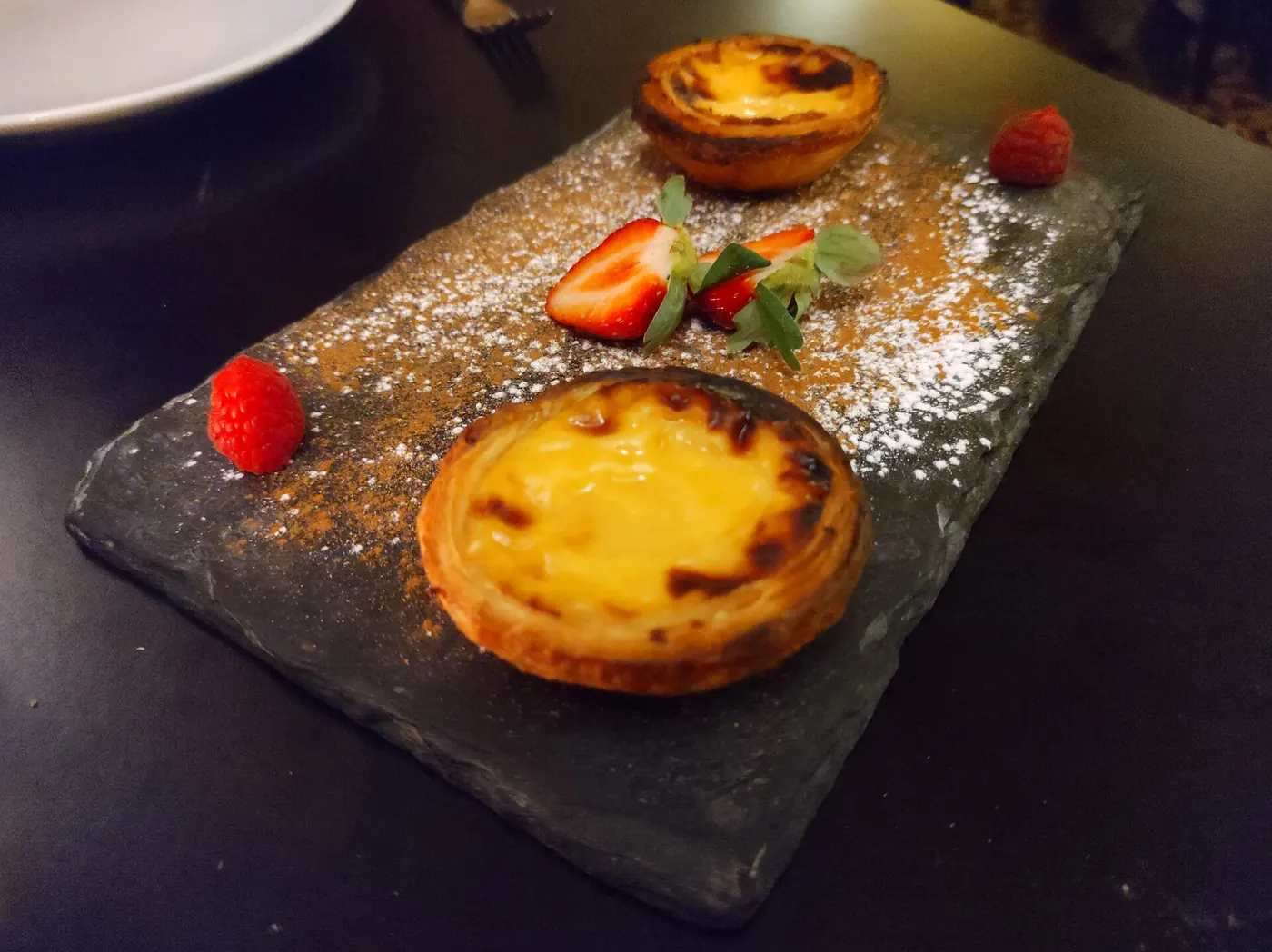

Short answerTo eat like a local in Lisbon, seek out tascas (traditional eateries) and petiscos (small plates) in neighborhoods like Alfama and Bairro Alto, and always try a pastel de nata from a bakery. Avoid restaurants with touts waving you in; instead, look for places filled with locals and check prices beforehand.
What are tascas and petiscos?
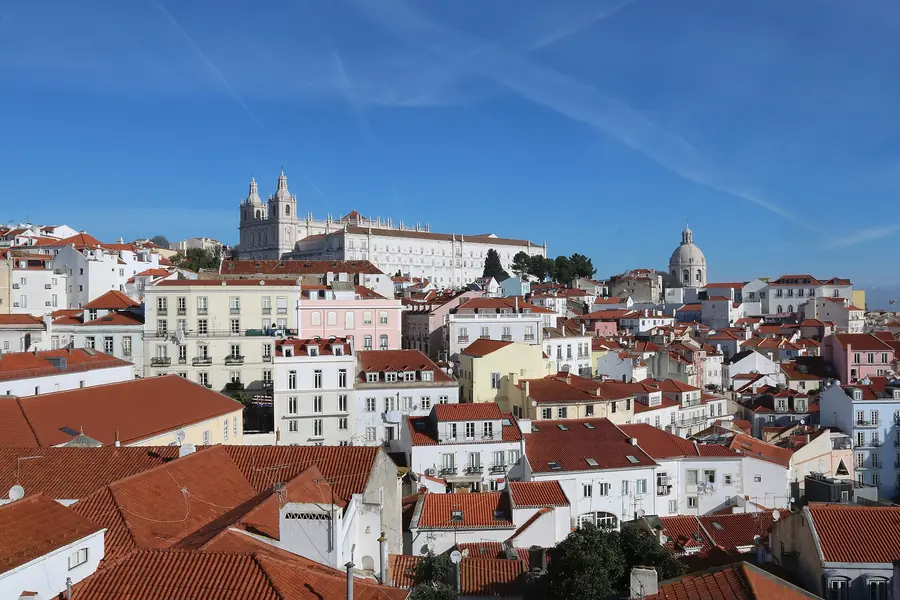
Tascas are traditional Portuguese eateries that serve affordable, home-style meals. Petiscos are small plates similar to tapas, perfect for sharing. You'll find them in neighborhoods like Alfama and Bairro Alto, often in unassuming settings.
Travellers report that wandering around without a plan is half the fun in Lisbon, so stumble into a tasca that looks busy with locals. For a modern take on petiscos, try O Petisca in Príncipe Real.

Pastel de nata: where to find the best
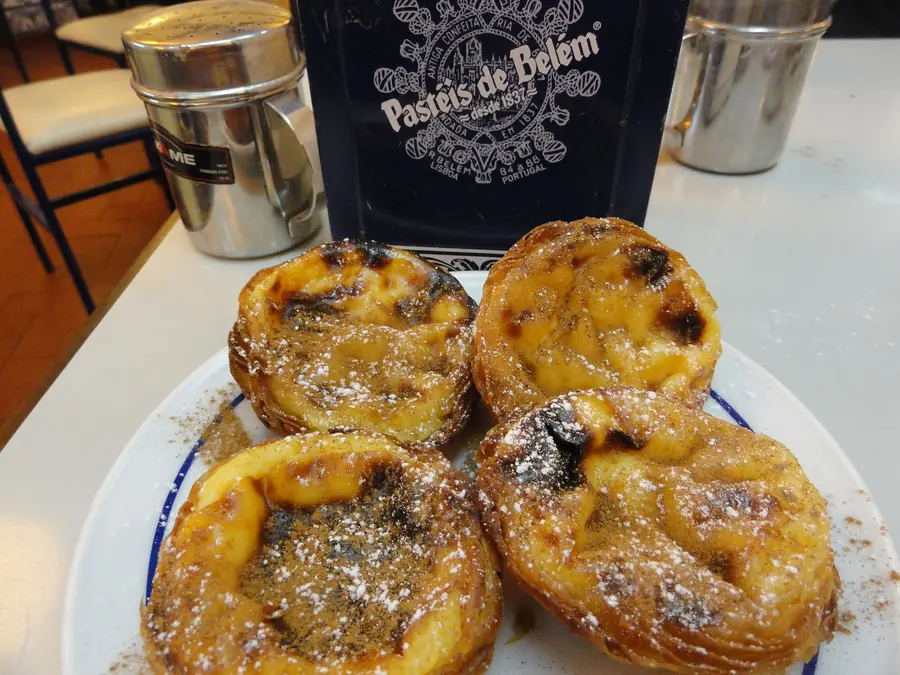
Pastéis de nata are custard tarts that are a must-try. Travellers report that they are divine and some had at least one every day. Pastéis de Belém is a famous spot, but you can find them in any bakery.
In Portugal, pastéis de nata can cost as little as €1.20, even at a beach in Vila Nova de Gaia, and are superior to those abroad. Try other conventual pastries like Ovos Moles, Doce de Azeitão, and Barrigas de Freira.
Local tipThe couvert (bread, butter, cheese) brought to your table is not complimentary unless told otherwise; if you eat it, it goes on the bill. You can politely decline it to avoid extra charges.
Bifana: the local sandwich
A bifana is a traditional Portuguese sandwich made with thinly sliced pork, often served in a papo seco (crusty roll) and seasoned with garlic and spices. It's a popular snack found in tascas and cafes.
Look for places like Pastelaria Dione in Príncipe Real, which serves sandwiches. Pair it with a beer or a coffee for a quick, satisfying meal.
.jpg)
How to spot tourist-trap restaurants
Avoid restaurants with touts waving you in from the door; travellers report that it is usually not a great sign and often targets tourists. Instead, look for places where locals are eating.
Check the menu prices before sitting down. In Alfama, prices can be ridiculously high; a chouriço can cost €10, which is too much. Even if you don't ask for the price list before, you can ask for it after; they have to have it written down. If they don't give it, ask for the complaints book; if they don't give the complaints book, you can call the police.
What travellers report
Be aware of taxi scams in Lisbon; one traveler was overcharged by about 5 euros.
In Lisbon, be careful in Rossio Square where most pickpocketing happens, but overall Lisbon is very safe.
Where to eat like a local
For seafood, try Cervejaria Ramiro in Graça-Mouraria, a popular spot with locals. In Bairro Alto, Restaurante As Velhas and Solar dos Presuntos offer regional Portuguese dishes. For a modern petiscos experience, head to O Petisca in Príncipe Real.
In Baixa, Martinho da Arcada is a historic cafe, and Povo serves regional and local seafood. For a budget meal, Restaurante Santa Rita in Alfama offers authentic, cheap Portuguese dishes in a busy, shared-table setting.
Questions people ask
What is a tasca?
A tasca is a traditional Portuguese eatery that serves affordable, home-style meals. They are often family-run and offer a cozy, unpretentious atmosphere.
How much should I expect to pay for a pastel de nata?
In Portugal, pastéis de nata can cost as little as €1.20, even at a beach in Vila Nova de Gaia. Prices may vary, so confirm locally.
Is it safe to eat at places open early in the morning?
Be suspicious of places open too early for things to actually be fresh; a pastry eaten at 7 AM caused food poisoning, according to a traveller report.
Do I need to make reservations at popular restaurants?
Some popular restaurants like Cervejaria Ramiro can get busy, so it's wise to go early or be prepared to wait. Reservations are not always necessary but can help.
What is the best neighborhood for local food?
Alfama and Bairro Alto have many traditional tascas and restaurants. However, be cautious of high prices in touristy areas of Alfama.
Compiled from OpenStreetMap, Wikivoyage and traveller reports. Confirm prices and opening hours locally. About
Keep planning
3-Day Lisbon Itinerary for First-Timers: Day-by-Day with Transport
A realistic 3-day Lisbon itinerary for first-timers, with transport logic, key sights, and local tips.
5-Day Lisbon Itinerary: Beyond the Obvious with Slow Days
A 5-day Lisbon itinerary that skips the crowds and leaves room for slow days, with local insights and practical tips.
Where to Eat in Lisbon Like a Local: A Guide
Discover where locals eat in Lisbon, how to spot tourist traps, and when to dine like a resident.