Places
Mallorca Beaches and Swimming Spots: A Local's Guide
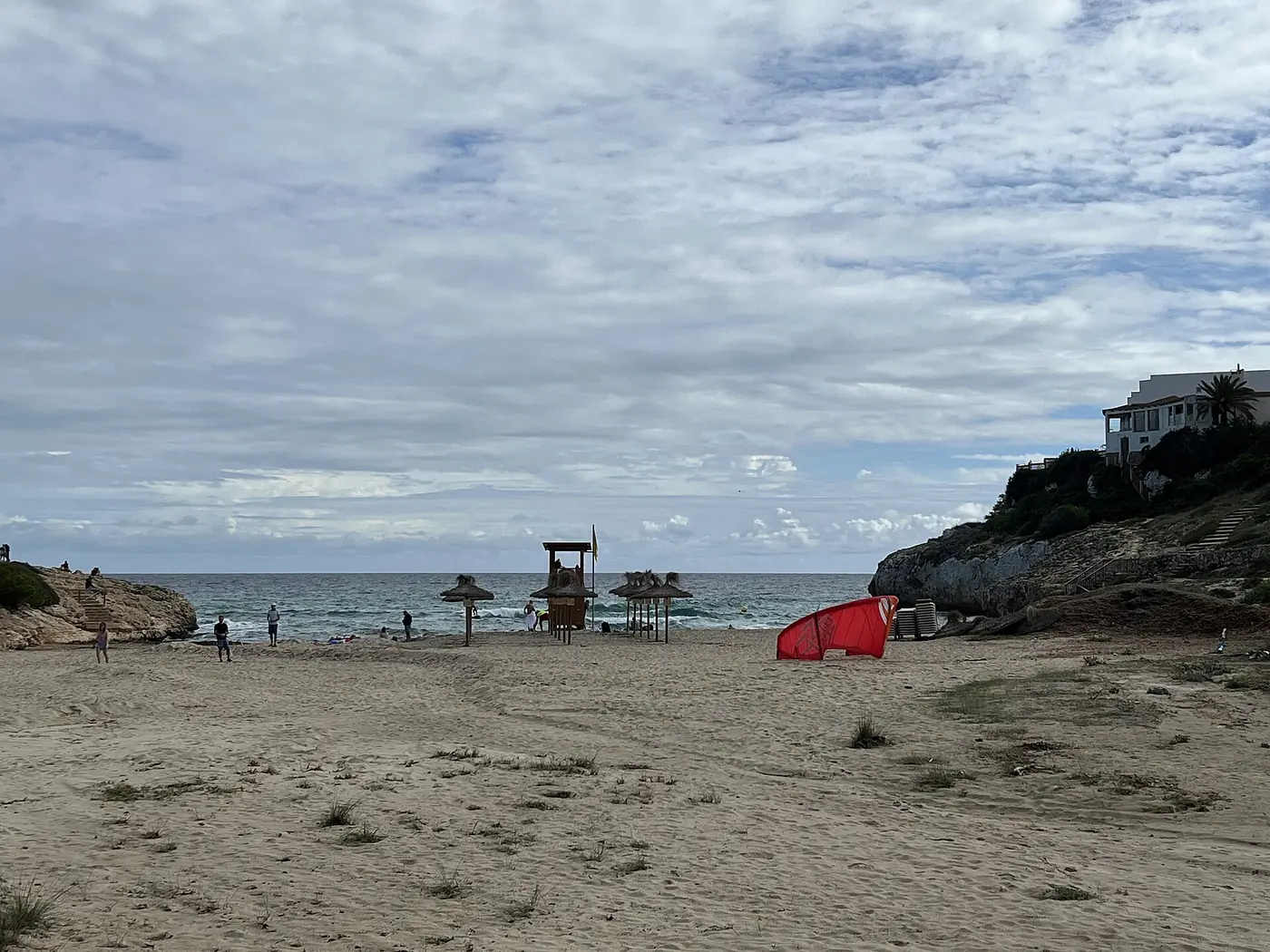

Short answerMallorca's beaches range from long sandy bays like Platja de Muro to tiny rocky coves like Cala Tuent. Access is easiest by rental car, but buses reach many. Crowds peak in July and August, so go early. Facilities vary: resort beaches have bars and loungers, while secluded coves have none.
Sandy resort beaches: facilities and crowds
The northeast coast has a long sandy strip from Alcúdia to Can Picafort, with Platja de Muro midway. Alcúdia beach is a sandy bay 14 km long, and the shore elsewhere is rocky. This area is popular with young families and pensioners, and has plenty of bars and restaurants. In high season it gets busy, but there's space to spread out.
On the south coast, Platja de s'Arenal de Llucmajor is a long beach strip near Palma, with all the facilities you'd expect. Platja de Santa Ponça in Andratx is another sandy option with a resort feel. These are good if you want easy access to amenities and don't mind crowds.
For a quieter sandy beach, try Es Trenc Beach in Santanyí. It's a long stretch of natural sand, but it can still get crowded in summer. Facilities are limited, so bring what you need.

Coves and calas: smaller, prettier, fewer facilities
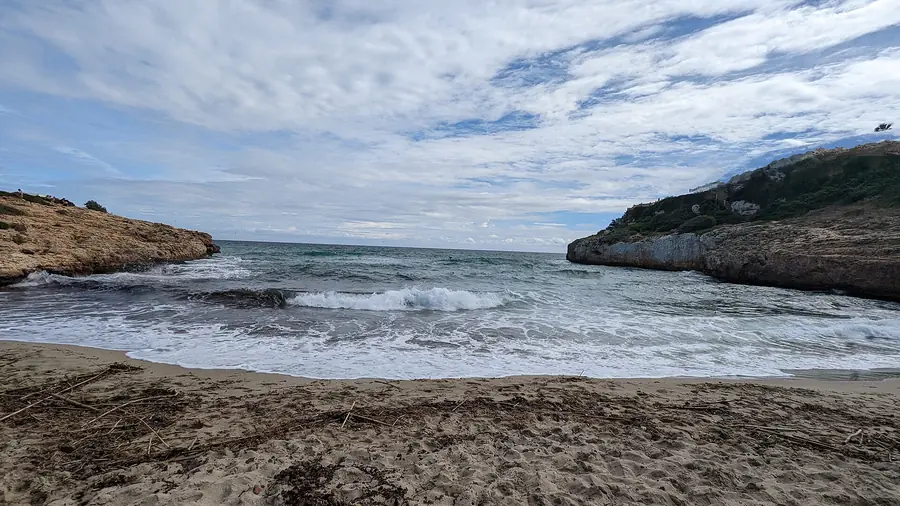
The east and southeast coasts are dotted with small coves. Cala d'Or has a great mix of little bars and tapas restaurants with really nice beaches, including Cala Gran, Cala Esmeralda, Cala Ferrera, Cala sa Nau, and Caló de ses Dones. These are sandy and family-friendly, with facilities nearby.
Further north, Cala Mesquida and Cala Torta in Artà are more natural. Cala Mesquida has a sandy beach backed by dunes, while Cala Torta is smaller and requires a short walk. Cala Agulla is another good option in the area. These have limited or no facilities, so take water and snacks.
On the west coast, Cala Tuent in the Tramuntana is a beautiful pebbly cove with crystal-clear water. It's reached by a winding road or by boat from Port de Sóller. There are no facilities, so it's best for a quiet swim. Cala Deià is another rocky cove, popular but small.
Local tipFor a quiet swim, head to Cala Tuent in the Tramuntana. It's a pebbly cove with crystal-clear water, reached by a winding road or boat from Port de Sóller. There are no facilities, so take everything you need.
Secluded spots: for those who want to escape
Some beaches require a hike or a boat. Cala Varques in Manacor is a beautiful little beach; travellers report you should get there early. It's a 20-minute walk from the road, and there are no facilities. Cala Màrmols in Santanyí is another remote option, reached by a dirt track.
On the Formentor peninsula, Cala Figuera Beach is located deep within a cove with high mountains on both sides. The view is spectacular, but access is by a steep path. Platja del Toro in Andratx is a small cove near Port d'Andratx, a relaxed seaside town. It's rocky but good for snorkelling.
For a truly off-the-beaten-path experience, consider Cala Estreta or Cala es Matzocs in Artà. These are tiny and have no facilities, so go prepared. Always check access locally, as some paths may be closed or difficult.

Access: car, bus, or boat
Having a rental car is recommended for exploring the island, according to travellers. It gives you the freedom to reach remote beaches. The island isn't that big; with a car you can be pretty much anywhere in 90 minutes maximum. However, parking at popular beaches fills up early in summer.
Public transport can get you to many resort beaches. TIB buses run to all the main cities from Palma city and airport, roughly hourly, daily. For example, Bus 302 runs from Palma to Alcúdia every 20-30 min, taking an hour. Bus 204 runs from Palma to Sóller and Port de Sóller every 30 min. Buses accept regular credit or debit card, no cash needed, according to travellers.
For some coves, a boat is the only practical access. Boat trips are offered from various marinas, including Port de Sóller and Port d'Andratx. You can also take a ferry from Port de Sóller to Sa Calobra. Check schedules locally.
What travellers report
Cala Varques is a beautiful little beach; get there early.
In August, Mallorca will always be expensive because it's main season and half of Germany is there.
Facilities and what to bring
Resort beaches like those in Alcúdia, Cala d'Or, and Palma's beach strip have sun loungers, umbrellas, showers, and beach bars. But secluded coves have none. Always bring water, snacks, sun protection, and a towel. Wear sturdy shoes for rocky paths.
Travellers report that all money was stolen at the beach; be careful with valuables. Don't leave anything unattended. Consider a waterproof pouch for your phone and cash. Also, download offline Google Maps of your area so you can GPS while on Airplane mode, as recommended by travellers.
In summer, the sun is intense. Seek shade during midday. The sea is generally calm, but watch for currents at exposed beaches. Lifeguards are present at some popular beaches, but not all. Check locally.
When to go and what to expect
July is the busiest time to visit Mallorca, according to travellers. August is also peak season and expensive. For fewer crowds, consider May, June, September, or October. In May, Mallorca is probably a little less resorty and touristy than later in summer. September is a good time to visit, when the hottest days and peak of overcrowding are past, but the sea is warm and calm.
Winters can be wet, windy and cold; autumn and spring are better but autumn can be rainy. Summer is too hot and getting hotter; heatwaves can make it unbearable. So spring and early autumn are ideal for beach days.
Travellers also suggest avoiding the congested summer period and considering quiet months such as November or February. But note that many businesses close up for winter. If you're coming for swimming, stick to late spring to early autumn.
Questions people ask
Which beaches in Mallorca are best for families?
Platja de Muro, Alcúdia beach, and the coves of Cala d'Or like Cala Gran and Cala Esmeralda are great for families. They have sandy shores, shallow water, and facilities nearby.
Are there beaches with no crowds?
Yes, but they require effort. Cala Varques, Cala Màrmols, and Cala Tuent are quieter. Travellers report getting to Cala Varques early. Access may involve a hike or boat.
Do I need a car to reach Mallorca's beaches?
Having a rental car is recommended for exploring the island, according to travellers. It gives you flexibility. However, buses can reach many resort beaches. For remote coves, a car or boat is necessary.
What facilities are available at Mallorca's beaches?
Resort beaches have sun loungers, umbrellas, showers, and bars. Secluded coves have none. Always bring water, snacks, and sun protection.
When is the best time to swim in Mallorca?
Late spring to early autumn. September is ideal: the hottest days and peak of overcrowding are past, but the sea is warm and calm. July and August are busiest and hottest.
Is it safe to swim at Mallorca's beaches?
Generally yes, but watch for currents at exposed beaches. Lifeguards are present at some popular beaches, but not all. Check locally. Also, be careful with valuables; travellers report thefts.
Compiled from OpenStreetMap, Wikivoyage and traveller reports. Confirm prices and opening hours locally. About
Keep planning
3-Day Mallorca Itinerary for First-Timers: Day by Day
A realistic 3-day Mallorca itinerary with transport logic: Palma, Tramuntana, and beaches, using car or bus.
5-Day Mallorca Itinerary: Beyond the Obvious with Slow Days
A 5-day Mallorca itinerary that skips the crowds, with slow days, local spots, and practical tips from travellers.
Eating in Mallorca Like a Local: Where, When, and How to Spot Traps
Eat like a local in Mallorca: spot tourist traps, know when locals dine, and find authentic spots from Palma to Alcúdia and Valldemossa.