Plan your trip
Mallorca Weather, Wind, Heat and Crowds: How to Plan
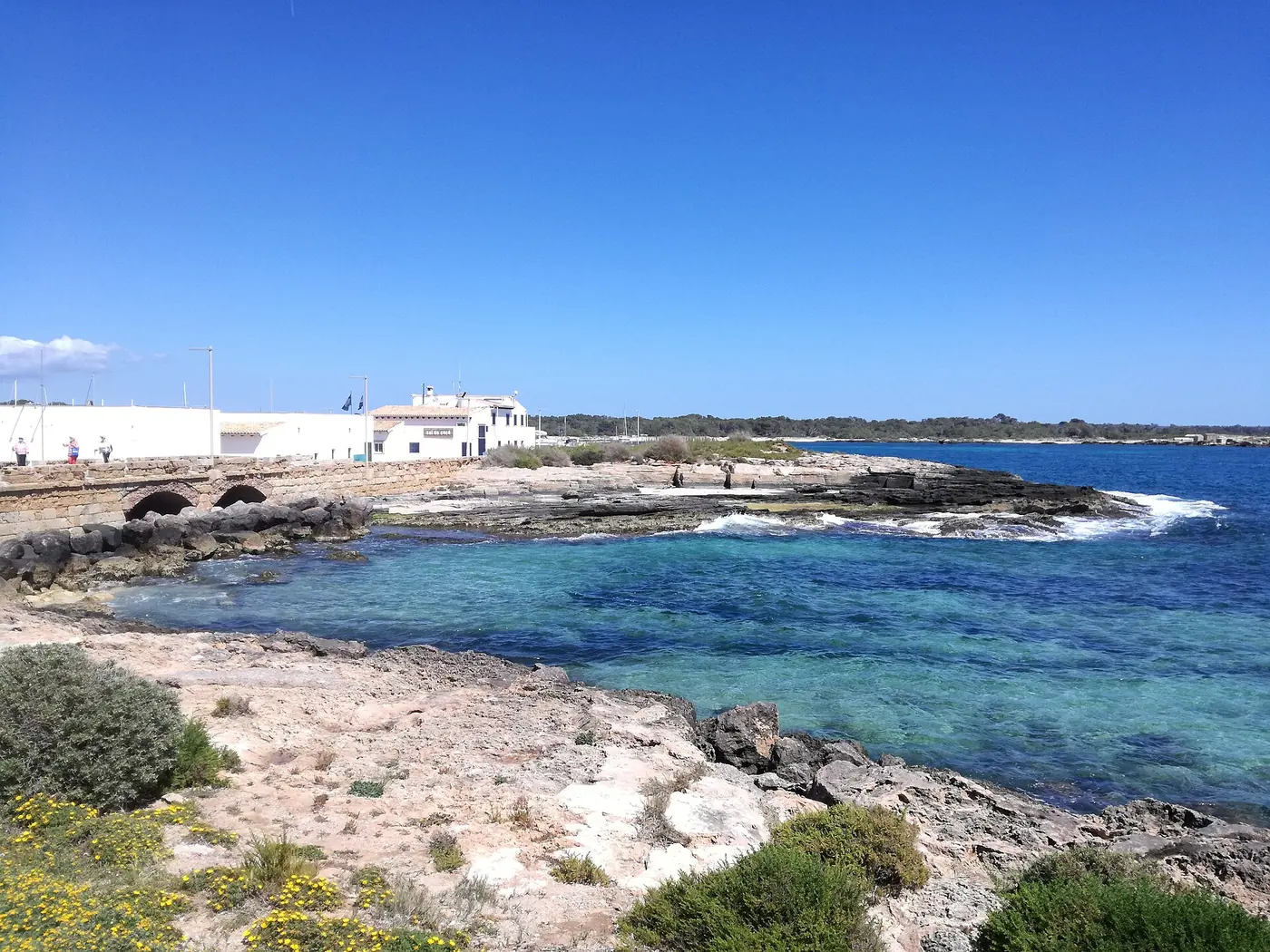

Short answerMallorca's weather and crowds vary hugely by season: summer is too hot and getting hotter, with heatwaves that can make it unbearable, while winters can be wet, windy and cold. Autumn and spring are better but autumn can be rainy. To avoid the worst heat and crowds, travellers report that quiet months such as November or February are worth considering, and September is a good time to visit when the hottest days and peak of overcrowding are past, but the sea is warm and calm.
When to go: seasons and crowds
The main tourist season runs April to October, and many businesses close up for winter. July is the busiest time to visit Mallorca, and August is always expensive because it's main season and half of Germany is there. If you want to avoid the crush, consider quiet months such as November or February, though winters can be wet, windy and cold. Autumn and spring are better but autumn can be rainy. September is a good time to visit when the hottest days and peak of overcrowding are past, but the sea is warm and calm. In May, Mallorca is probably a little less resorty and touristy than later in summer.
,_Harbour_--_2009_--_1540.jpg)
Heat and wind: what to expect
Summer is too hot and getting hotter; heatwaves can make it unbearable. The sea breeze keeps the temperature in check in Palma, seldom much above 25 °C, and you might need a jacket in the evening. Wind can be a factor, especially in winter, but the Tramuntana mountains and coastal spots can be breezy year-round. If you're hiking or cycling, start early to avoid the midday heat. For beach days, the heat is manageable if you have shade and water, but plan indoor or shaded activities during heatwaves.
Local tipDownload offline Google Maps of your area so you can GPS while on Airplane mode, and check the weather forecast daily as conditions can change quickly, especially in the mountains.
Rainy days and indoor options
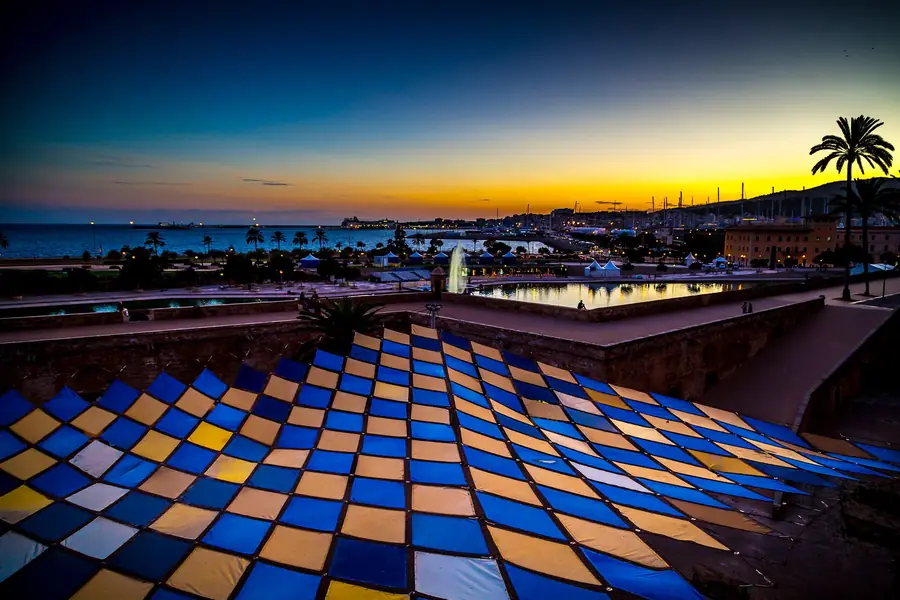
There are few rainy day activities on offer; the airport can be chaotic with stranded tourists during rain. If rain is forecast, have a backup plan like museums in Palma, such as the Museu de Sóller or Ca’n Prunera Museum in Sóller, or the Museu sa Bassa Blanca in Alcúdia. In Palma, the old town is centred on its cathedral, with several museums. Note that some smaller sights may close in winter, so check locally.
.jpeg)
How to plan around weather and crowds
Renting a car is recommended for exploring the island, and with a car you can be pretty much anywhere in 90 minutes maximum. That flexibility lets you chase better weather or escape crowded spots. Book car rentals early; many options were already booked for desired dates. For beaches, get there early, especially at popular spots like Cala Varques. If you're using public transport, TIB buses run to all the main cities from Palma city and airport, roughly hourly, daily, but in summer they can be crowded. Consider buying a cheap Spain SIM card to make calls to restaurants for reservations.
What travellers report
Greek islands are cheap to get to, weather will be good late September, and have a good mix of culture and history.
Pass the night in Toledo and watch the sunset from the Alcazar.
Specific places and timing
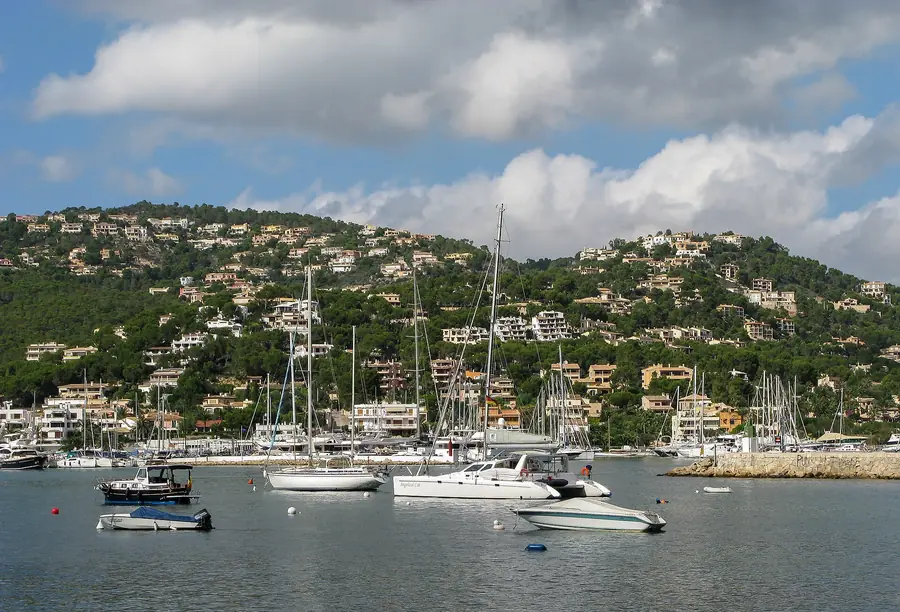
In July, everything will be crowded, including beaches near Sóller and Palma. The east of the island is less resorty than Alcúdia, which is very much a family destination. Port d'Andratx is a relaxed seaside town, and Soller is a bit touristy but worth a visit. Palma is one of the best things about the island; definitely spend a day there. For hiking, use the free AllTrails app to find trails around Mallorca, and consider the hike from St Elm to La Trapa; it's not a casual walk but also not that hard. If you're driving in the Tramuntana, small roads can be tricky because they are narrow.
Questions people ask
What is the best month to visit Mallorca for good weather and fewer crowds?
September is a good time to visit when the hottest days and peak of overcrowding are past, but the sea is warm and calm. May is also a good option, as it's probably a little less resorty and touristy than later in summer.
How hot does it get in summer in Mallorca?
Summer is too hot and getting hotter; heatwaves can make it unbearable. In Palma, the sea breeze keeps the temperature in check, seldom much above 25 °C, but inland and in the mountains it can be significantly hotter.
Is it worth visiting Mallorca in winter?
Winters can be wet, windy and cold, and many businesses close up for winter. However, quiet months such as November or February are recommended if you want to avoid crowds, but expect some rain and cooler temperatures.
How can I avoid crowds at beaches in Mallorca?
Get there early, especially at popular spots like Cala Varques. Consider visiting in May or September when it's less crowded, and explore less resorty areas like the east of the island.
Do I need a car to plan around the weather in Mallorca?
Having a rental car is recommended for exploring the island, and with a car you can be pretty much anywhere in 90 minutes maximum. This gives you flexibility to chase better weather or escape crowded spots. Book early, as many options were already booked for desired dates.
Compiled from OpenStreetMap, Wikivoyage and traveller reports. Confirm prices and opening hours locally. About
Keep planning
3-Day Mallorca Itinerary for First-Timers: Day by Day
A realistic 3-day Mallorca itinerary with transport logic: Palma, Tramuntana, and beaches, using car or bus.
5-Day Mallorca Itinerary: Beyond the Obvious with Slow Days
A 5-day Mallorca itinerary that skips the crowds, with slow days, local spots, and practical tips from travellers.
Do You Need a Rental Car in Mallorca? Getting Around Without One
Travellers report a car is best for exploring Mallorca, but buses and trains can work. Learn when a car is a mistake and how to avoid fines.