Plan your trip
Do You Need a Rental Car in Barcelona?

Short answerNo, you do not need a rental car in Barcelona. The city has one of the best public transport systems in Europe, and travellers report it is convenient and cheap. A car is usually a mistake for city sightseeing due to traffic, parking, and theft risk.
Why you don't need a car in Barcelona
Barcelona's public transport is excellent, with travellers reporting it is one of the best systems in Europe and pretty cheap. You have choices: train, subway, tram, bus, or bike. The metro and buses can get you almost anywhere, and many tourist sites are in close proximity, often free to view or ask for a small donation.
Driving in the city is not recommended. In Eixample, for example, you may find it difficult to find decent parking during peak hours, and paid parking prices vary. Plus, theft is a concern: travellers report pickpocketing is common in crowded areas, and a car can be a target for break-ins.

How to get around without a car
Use the TMB metro and bus network. The T-Jove and T-Usual travel cards are popular, but note that travellers report these will revert to original prices in 2025 as Spain scraps public transport subsidies, effectively doubling fares. A 30-day ticket for zone 1 is sufficient for most tourists and cheaper than other options.
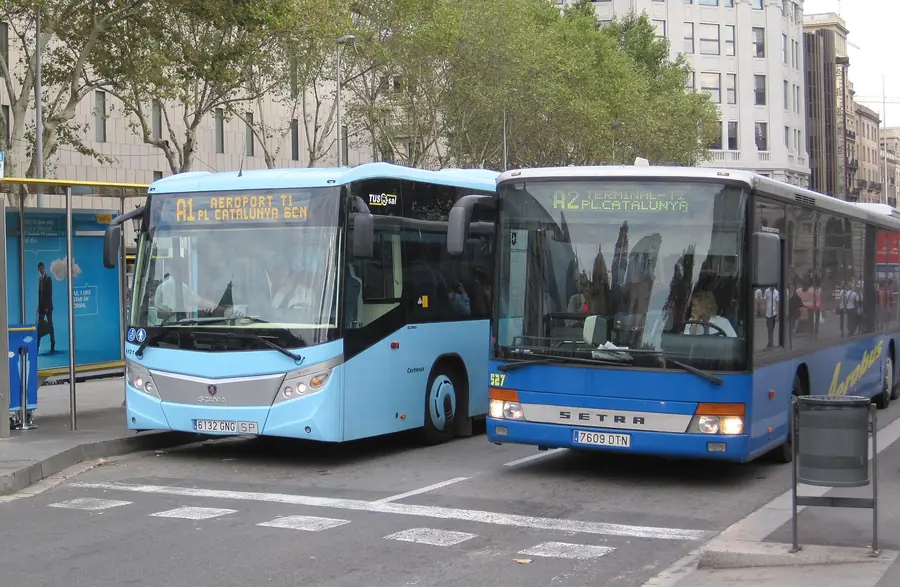
For the airport, the Aerobus goes to Plaça Catalunya, and travellers report a round-trip ticket costs $12. Alternatively, the airport is in zone 4, but counts as zone 1 if you take the TMB bus (the red one, not the blue one) from Pl. Espanya or the Metro with a T-Mes or T-Trimestral/Jove card.
Bicing is a bike-sharing system; membership is useful for grabbing a bike anytime. However, travellers warn that solid rubber tires are dangerous, especially in wet weather, and red paint on bike paths turns into an ice rink when wet. Be careful.
Local tipBuy a T-Usual or T-Jove card for unlimited travel in zone 1; it's cheaper than single tickets and covers most tourist spots. But check current prices as subsidies are changing.
When a car is a mistake
A car is a mistake for city sightseeing. Parking is expensive and hard to find, traffic is heavy, and you risk theft. Also, many streets are pedestrian-only or narrow, especially in the Gothic Quarter and other old town areas.
If you plan to visit nearby attractions like Montserrat or Tarragona, public transit is accessible. Travellers report day trips to Tarragona (Roman ruins) and Montserrat are accessible by public transit. For longer trips, high-speed rail in Spain is incredibly convenient and allows seeing half the country in half the time.
Only consider a car if you are exploring rural areas like Rupit or Blanes, where public transport is limited. But even then, you might combine with trains and local buses.

Alternatives for day trips
For day trips, use trains and buses. Montserrat is reachable by train and cable car, and Tarragona by train. The Dali Theatre-Museum in Girona is worth a full-day trip from Barcelona if you are an art lover, and you can get there by train.
If you want to visit Blanes, travellers report Jardí Botànic Marimurtra is a couple hours drive from Barcelona and worth combining with a visit to Tossa de Mar. But you can also take a train to Blanes and then a local bus. Rupit is about an hour and a half from Barcelona city, and you can climb the belltower for €2. The Salt de Sallent waterfall is about a 30-minute walk from Rupit; the path can get very muddy after rain. Check local transport options.
What travellers report
Public transport is glorious compared to other big cities in Europe; you have choices: train, subway, tram, bus, or bike.
In tourist areas, be aware of overcharging, hidden fees, and wrong change; always check the bill and card machine.
Safety and practicalities
If you do drive, be aware of theft. Travellers report pickpockets operate on Las Ramblas and other crowded tourist spots, thieves steal on beaches while you swim, and phones can be grabbed from tables. Never leave valuables in the car.
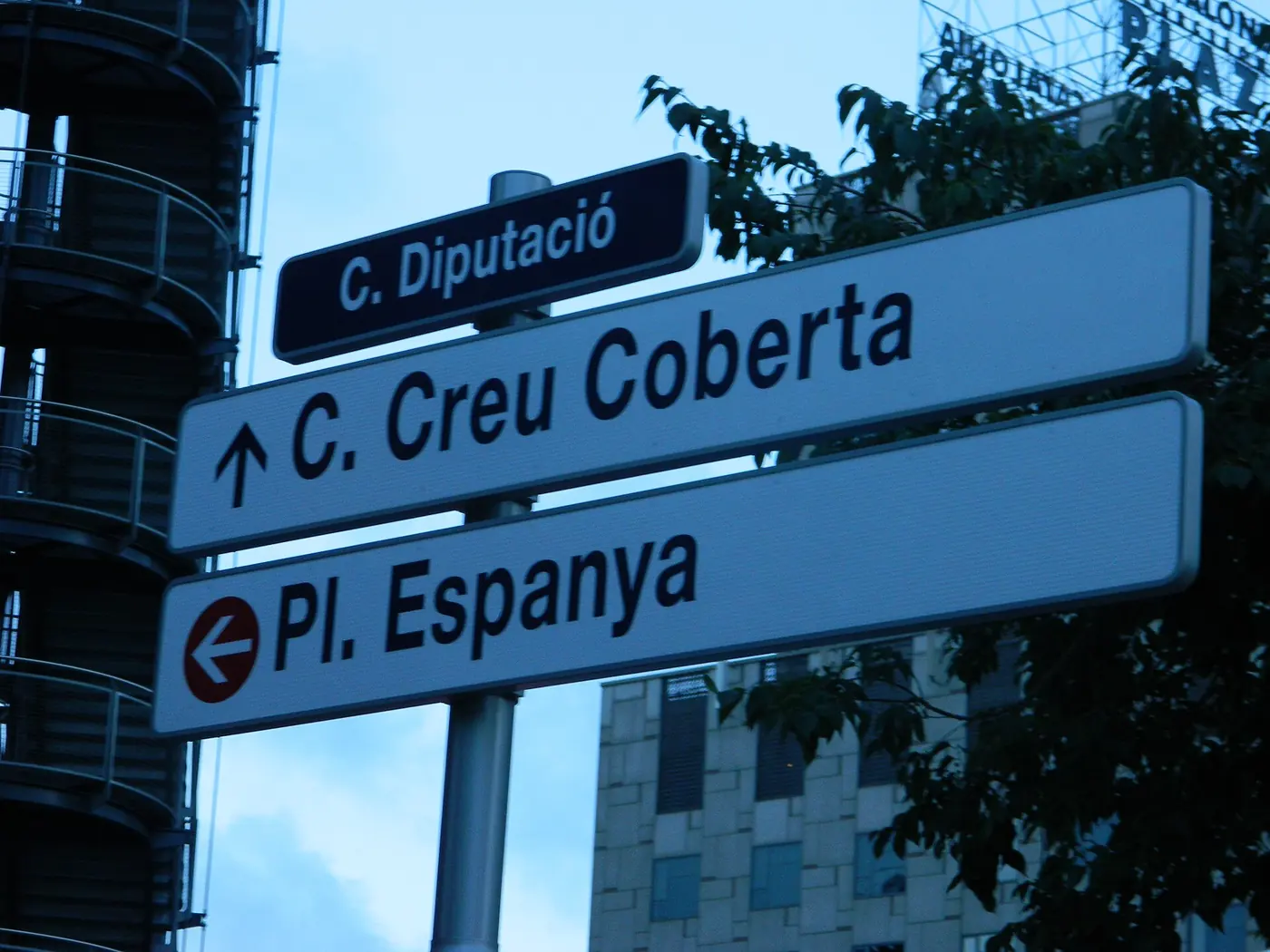
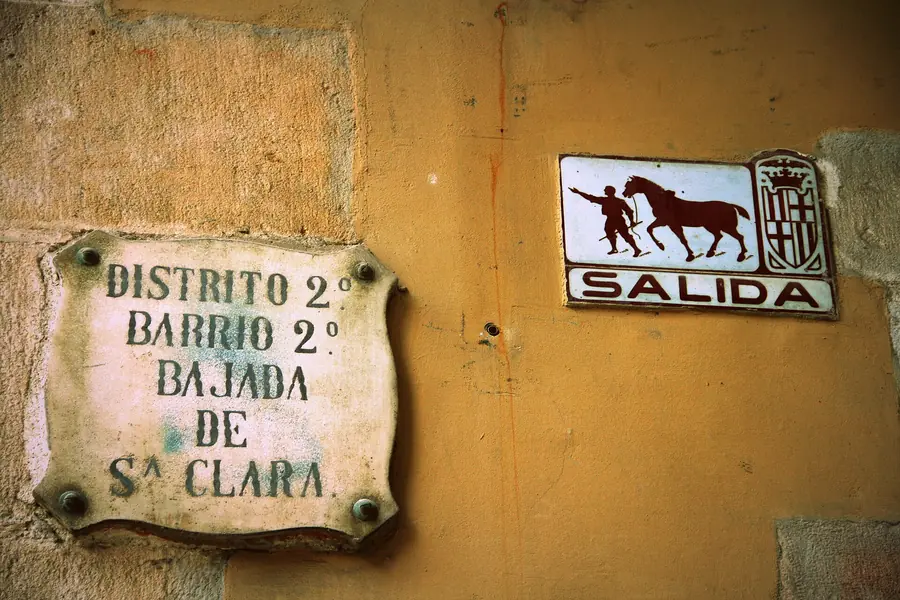
Also, note that what visitors may think is Spanish in Barcelona is often Catalan, a different language. Road signs may be in Catalan. Parking zones have different rules; check locally.
In summary, rely on public transport. It's safe, convenient, and cheap. A car is unnecessary and often a liability.
Questions people ask
Is public transport in Barcelona safe?
Yes, travellers report it is convenient and safe. However, pickpocketing is common in crowded areas, so keep valuables secure.
How do I get from the airport to the city centre?
The Aerobus goes to Plaça Catalunya; a round-trip ticket costs $12 according to travellers. You can also take the TMB bus (red one) from Pl. Espanya or the Metro with a T-Mes or T-Trimestral/Jove card, which counts as zone 1.
Do I need a car for day trips like Montserrat?
No, Montserrat is accessible by public transit. Travellers report day trips to Tarragona and Montserrat are accessible by public transit.
What is the best way to get around Barcelona?
The metro and buses are the best. Travellers report Barcelona has one of the best transport systems in Europe and it's pretty cheap. You can also use Bicing bikes, but be careful in wet weather.
Is parking expensive in Barcelona?
Yes, parking can be difficult and expensive. In Eixample, there are two zones for paid parking and prices vary depending on demand (Green Zone, €1.08-2.42/hr).
Compiled from OpenStreetMap, Wikivoyage and traveller reports. Confirm prices and opening hours locally. About
Keep planning
3 Days in Barcelona: First-Timer Itinerary with Transport
A realistic 3-day Barcelona itinerary for first-timers, day by day, with transport logic and local tips.
5-Day Barcelona Itinerary: Beyond the Obvious with Slow Days
A 5-day Barcelona itinerary that skips the crowds, includes slow days, and covers local spots like Bunkers del Carmel and Hospital de Sant Pau.
Best Time to Visit Barcelona: Month by Month, Crowds, Weather, Prices
When to visit Barcelona: best months, weather, crowds, and prices. Local tips on avoiding peak season and saving money.