Places
Mallorca Villages: Deià, Valldemossa, Sóller, Artà, Pollença, Santanyí
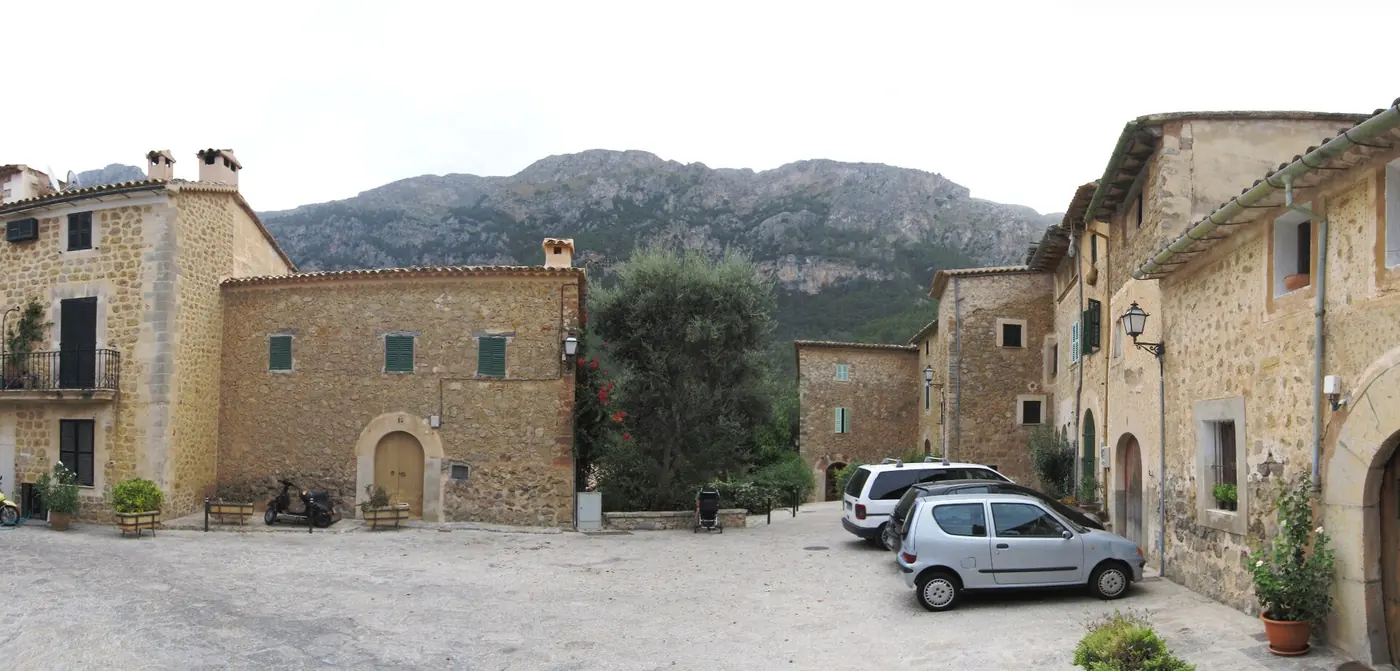

Short answerMallorca's standout villages are Valldemossa, Deià, Sóller, Pollença, Artà and Santanyí, each with a distinct character and worth a stop. Quieter alternatives include Fornalutx, Biniaraix, Muro and Esporles, which travellers report as less crowded and more authentic. A rental car is recommended to reach them, but buses also connect the main ones.
Valldemossa and Deià: Tramuntana classics
Valldemossa is famous for its 14th-century Charterhouse, where Chopin and George Sand stayed in winter 1838/39. The village is small enough to walk, and the Charterhouse (Museu Cartoixa) is the main sight. Deià, a short drive away, is known for its artistic heritage and dramatic setting. Travellers report that Deià is worth a stop, but parking is limited. Both villages are on the GR 221 hiking trail, so you can combine a visit with a walk.

Sóller and Port de Sóller: train, tram and citrus
Sóller is best known for its heritage train from Palma and the wooden tram to the port. The train runs six times a day, taking one hour, and in 2024 tickets are €20 single, €28 return. The tram to the port costs €9 each way. Travellers report that Sóller is a bit touristy but worth a visit, and that staying in Sóller was amazing. The town has a pleasant main square, Plaça de la Constitució, and the Jardí Botànic is a short walk from the station.
Local tipIn Valldemossa, the Charterhouse ticket also includes the Palau del Rei Sanxo, which often has Chopin recitals. Check the schedule locally.
Pollença and Artà: northeast charm
Pollença has a well-preserved old centre with narrow alleys and the 365-step Calvary Chapel. The Sunday market in Plaça Major is a good stop. Artà, further east, offers the Coves d'Artà and the Castell de Capdepera nearby. Travellers report that the east of the island is less resorty than Alcúdia. Both towns are quieter than the Tramuntana villages and have a more local feel.

Santanyí and the southeast
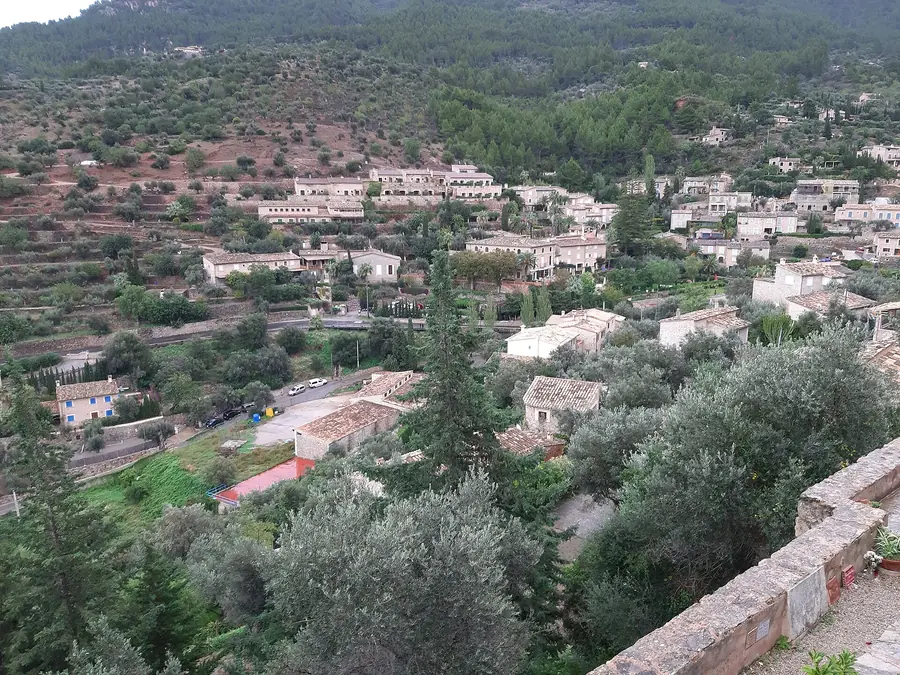
Santanyí is a inland town with a weekly market and easy access to Es Trenc Beach and the Botanicactus garden. The beach is popular, so get there early. Travellers report that Cala d'Or, nearby, has wonderful coves and turquoise water. The southeast is less crowded than the northwest, especially in peak season.
What travellers report
Cala Varques is a beautiful little beach; get there early.
Having a rental car is recommended for exploring the island.
Quieter alternatives: Fornalutx, Biniaraix, Muro, Esporles
Fornalutx, a charming village in the hills 4 km east of Sóller, is reachable by hiking trail or Bus 231. Biniaraix, a hamlet east of Sóller, has old public washrooms and is the start of a karstic ravine walk. Muro is described by travellers as a hidden gem with an etymological museum and a panoramic walkway. Esporles has a nice hostel and some nice hiking. These villages offer a quieter experience and are less touristy.
Getting around and practicalities
A rental car is recommended for exploring the island, as travellers report. The island isn't that big; with a car you can be pretty much anywhere in 90 minutes maximum. However, small roads in the Tramuntana can be tricky because they are narrow. Buses are also an option: TIB Bus 203 runs hourly from Palma to Valldemossa, Deià, Sóller and Port de Sóller. Bus 204 runs from Palma to Sóller every 30 minutes. Buses accept regular credit or debit card, no cash needed. Download offline Google Maps of your area so you can GPS while on Airplane mode.
Questions people ask
Which Mallorca village is best for a day trip from Palma?
Valldemossa is the easiest: Bus 203 runs hourly from Palma, taking 30 minutes. Sóller is also popular, with the heritage train taking one hour.
Are Deià and Valldemossa worth visiting?
Yes, both are worth a stop. Valldemossa has the historic Charterhouse, and Deià offers a picturesque setting and artistic heritage.
What are quieter alternatives to the main villages?
Fornalutx, Biniaraix, Muro and Esporles are quieter. Travellers report Muro as a hidden gem and Esporles has nice hiking.
Do I need a car to visit these villages?
A car is recommended for flexibility, but buses connect the main villages. TIB buses run from Palma to Valldemossa, Deià, Sóller and Pollença.
When is the best time to visit Mallorca's villages?
Avoid the congested summer period; consider quiet months such as November or February. Autumn and spring are better but autumn can be rainy.
Compiled from OpenStreetMap, Wikivoyage and traveller reports. Confirm prices and opening hours locally. About
Keep planning
3-Day Mallorca Itinerary for First-Timers: Day by Day
A realistic 3-day Mallorca itinerary with transport logic: Palma, Tramuntana, and beaches, using car or bus.
5-Day Mallorca Itinerary: Beyond the Obvious with Slow Days
A 5-day Mallorca itinerary that skips the crowds, with slow days, local spots, and practical tips from travellers.
Mallorca Beaches and Swimming Spots: A Local's Guide
What each beach is like, how to get there, crowds and facilities. Insider tips for swimming in Mallorca.