Plan your trip
Barcelona Neighbourhoods: Where to Stay & What Each Area Is Like
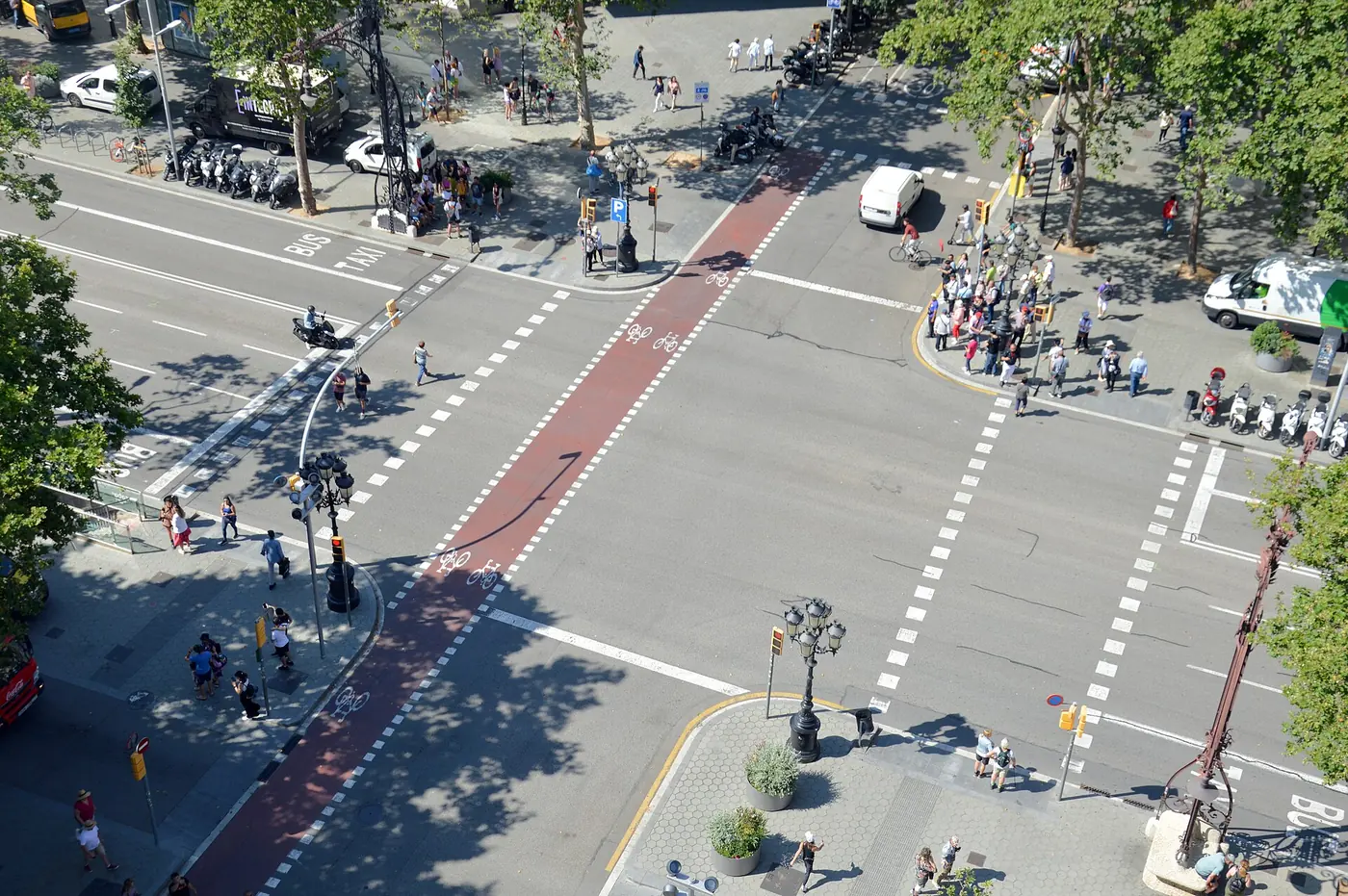

Short answerFor a first visit, base yourself in Eixample for central, well-connected streets and Modernist architecture, or in Gràcia for a local, village-like feel with easy access to Park Güell. The Gothic Quarter and El Born put you in the historic centre with nightlife on your doorstep, while Barceloneta suits beach lovers and El Raval offers the edgiest, most multicultural vibe. Each has trade-offs in noise, crowds, and pickpocket risk, so choose according to your priorities.
Gothic Quarter (Barri Gòtic): historic heart, highest tourist traffic
The Gothic Quarter is the oldest part of the old town, built on the Roman settlement of Barcino, and it is fully pedestrian. You can see portions of the Roman wall, visit the Cathedral of Santa Eulalia, and wander streets where ancient buildings lean on centuries-old foundations. It is the most atmospheric area for a first trip, with sights like Palau de la Música Catalana, Santa Maria del Pi, and the Roman Sepulchral Via within easy walking distance.
The downsides are real: it is where the nightlife and tourist traffic in Barcelona are centred, so expect noise and crowds. Travellers report that pickpocketing is common in the Gothic Quarter, and one user reported being pickpocketed there at around 10:30 PM. Drug dealers are also reported to be everywhere in the area, and whatever they are pushing is described as trash or fake. If you stay here, keep valuables in secured pockets and avoid open backpack pockets.
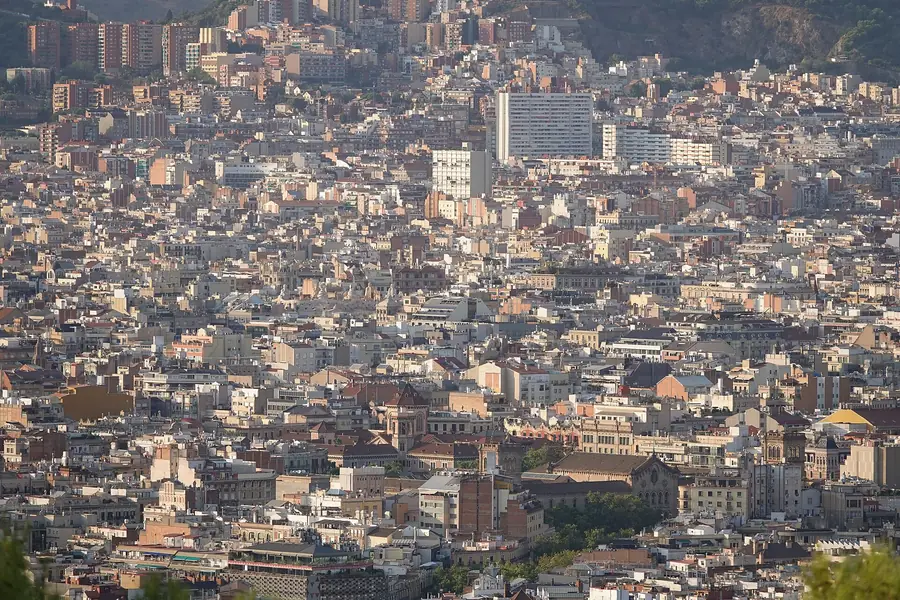

El Born (La Ribera): boutique shops, bars, and 15th-century streets
La Ribera is the large section of the old town between Arc de Triomf and Via Laietana, and El Born is its sub-neighbourhood around the 19th-century market. It is a very happening area with small shops and local designers by day and a thriving bar and restaurant scene by night. Many buildings date back to the 15th century, and the area is easily reachable on foot. Key sights include the Basilica of Santa Maria del Mar and the Palau de la Música Catalana, a UNESCO World Heritage site.
Staying in El Born puts you close to the beach and the Gothic Quarter without being in the thickest crush. It is still central and busy, so the same pickpocket precautions apply. For food, 7 Portes is a well-known restaurant in the area, and travellers report that good paella is typically only served at lunch, not in the evening.
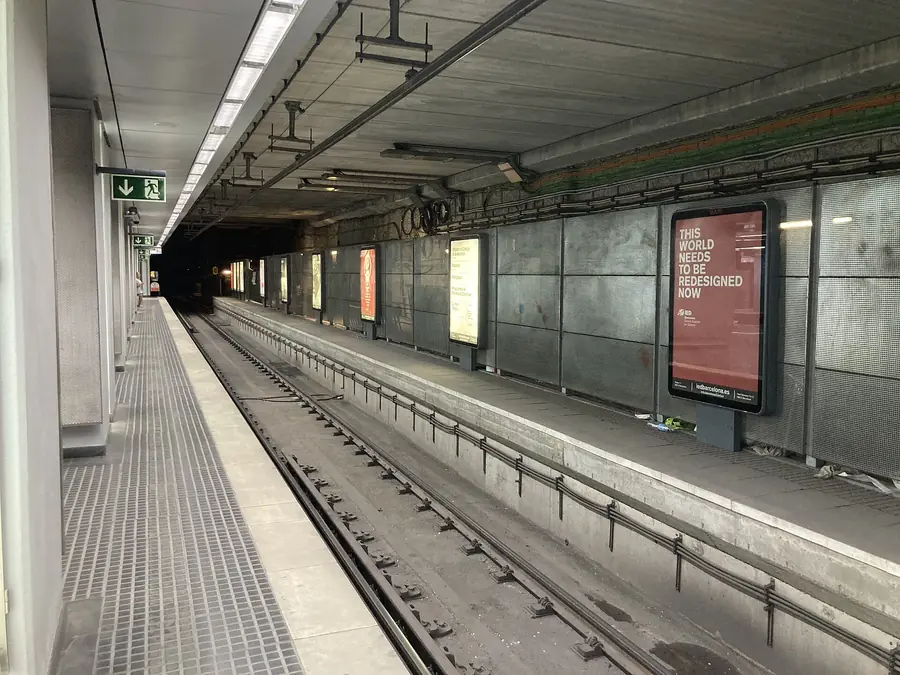
Local tipTravellers report that Barcelona has one of the best transport systems in Europe and it is pretty cheap, so you do not need to stay right on top of the sights. Pick a neighbourhood like Gràcia or Eixample for a calmer base and use the metro, bus, tram, or bike to reach the Gothic Quarter and the beach. A zone 1 travel card is sufficient for most tourists, and the airport counts as zone 1 if you take the TMB bus from Pl. Espanya or the Metro with a T-Mes or T-Trimestral/Jove card.
Eixample: central, grid layout, most Modernist landmarks
Eixample is the 19th-century expansion designed by Ildefons Cerdà, an enormous field of rectangular blocks that contains most of the modernist buildings, including La Pedrera, Casa Batlló, and the Sagrada Família. It is in the middle of Barcelona, easily accessible by road, train, bus, or metro, with Passeig de Gràcia serving as a main regional rail station. If you want to be within walking distance of major Gaudí sites and have a more residential feel than the old town, this is a strong base.
The grid can be confusing at first, and driving is possible but parking in peak hours is difficult. The Sagrada Família area is a major tourist hub, so expect crowds around the basilica. Book tickets online in advance: travellers report that the normal line to buy tickets can be literally hours long, and if you don't buy online you might wait in line for five hours. The underground museum portion shows Gaudí's thought process and is worth the time.

Gràcia: local village vibe, squares, and Park Güell
Gràcia is the most distinctively Catalan neighbourhood within easy walking distance of the city centre, and it was an independent town before joining Barcelona in the 20th century. Its narrow streets and young atmosphere give it a local rather than cosmopolitan feel, and its many public squares are lively with people. Park Güell, with its Gaudí flair and panoramic views, is in the district. Casa Vicens, the first building Gaudí built in Barcelona, is also here and open as a museum.
Gràcia is quieter and more residential than the old town, which makes it a good choice if you want to sleep well and still be close to restaurants and bars. The trade-off is that you are not walking distance from the Gothic Quarter or the beach, though metro line L3 connects Fontana, Lesseps, and Vallcarca. For a cheap bite, travellers report that Bar Raspall in Gràcia offers a caña and a tapa for €2.80, and Restaurant Hofmann and El Resolís are notable restaurants in the area.
What travellers report
Pickpocketing is common in Barcelona's Gothic Quarter; keep valuables in secured pockets and avoid open backpack pockets.
A user reported a hand luggage bag was taken at Terminal 1 Vueling self check-in; keep passports on your person and never leave bags unattended.
Barceloneta and El Raval: beach versus edge
Barceloneta is the old fisherman's quarter by the sea, with straight, square streets planned by the French military after the War of Spanish Succession. It has undergone significant gentrification since the 1992 Olympics, especially along the seafront, and it puts you right by the beach. The beach in Barcelona is clean and well maintained, with staff picking up litter, but travellers report that Barcelona is not known for wonderful beaches and that if you want nice beaches you should go elsewhere in Spain. Can Ramonet is a seafood and regional restaurant here.
El Raval, west of La Rambla, historically had a seedy reputation but changed dramatically before the 1992 Olympics. These days it is a vibrant place for nightlife and home to many bars and restaurants, though it remains an immigrant neighbourhood and not as historically significant as the Gothic Quarter or La Ribera. Both areas are central and convenient, but both require vigilance: travellers report pickpockets operate on Las Ramblas and other crowded tourist spots, and that phones can be grabbed from tables. La Rambla is notorious for pickpockets, so keep your phone out of view.
Questions people ask
Which Barcelona neighbourhood is best for a first-time visitor?
Eixample is a strong first choice because it is central, well connected, and contains most of the modernist landmarks including La Pedrera, Casa Batlló, and the Sagrada Família. If you prefer a more local feel, Gràcia offers narrow streets, lively squares, and easy access to Park Güell. The Gothic Quarter is the most atmospheric but also the busiest and most targeted by pickpockets.
Is the Gothic Quarter safe to stay in?
It is safe enough if you take precautions, but travellers report that pickpocketing is common there and that drug dealers are everywhere in the area. One user reported being pickpocketed in the Gothic Quarter at around 10:30 PM. Keep valuables in secured pockets, avoid open backpack pockets, and do not walk alone very late at night.
Where should I stay in Barcelona if I want a local vibe?
Gràcia is the most distinctively Catalan neighbourhood within easy walking distance of the centre, with narrow streets, public squares, and a young atmosphere. It was an independent town before joining the city in the 20th century. It is quieter and more residential than the old town, and Park Güell is in the district.
Is Barceloneta a good area to stay for the beach?
Barceloneta puts you right by the beach, which is clean and well maintained with staff picking up litter. However, travellers report that Barcelona is not known for wonderful beaches and that if you want nice beaches you should go elsewhere in Spain. The area has gentrified since the 1992 Olympics and has a mix of old fisherman's houses and upscale seafront spots.
How do I get around between Barcelona neighbourhoods?
Barcelona has one of the best transport systems in Europe and it is pretty cheap, with train, subway, tram, bus, and bike options. Travellers report it is glorious compared to other big cities in Europe. A zone 1 ticket is sufficient for most tourists, and the airport counts as zone 1 if you take the TMB bus from Pl. Espanya or the Metro with a T-Mes or T-Trimestral/Jove card.
What is the biggest mistake when choosing a Barcelona neighbourhood?
Choosing based only on atmosphere without considering noise, crowds, and pickpocket risk. The Gothic Quarter and La Rambla are the most atmospheric but also the most targeted by thieves. If you want the old-town experience with fewer downsides, stay in El Born or Gràcia and use public transport to visit the rest.
Compiled from OpenStreetMap, Wikivoyage and traveller reports. Confirm prices and opening hours locally. About
Keep planning
3 Days in Barcelona: First-Timer Itinerary with Transport
A realistic 3-day Barcelona itinerary for first-timers, day by day, with transport logic and local tips.
5-Day Barcelona Itinerary: Beyond the Obvious with Slow Days
A 5-day Barcelona itinerary that skips the crowds, includes slow days, and covers local spots like Bunkers del Carmel and Hospital de Sant Pau.
Do You Need a Rental Car in Barcelona?
Barcelona has excellent public transport, so you don't need a car. Here's how to get around and when a rental car is a mistake.