Food and drink
Eating Like a Local in Barcelona: Tapas, Vermut & Menú del Día
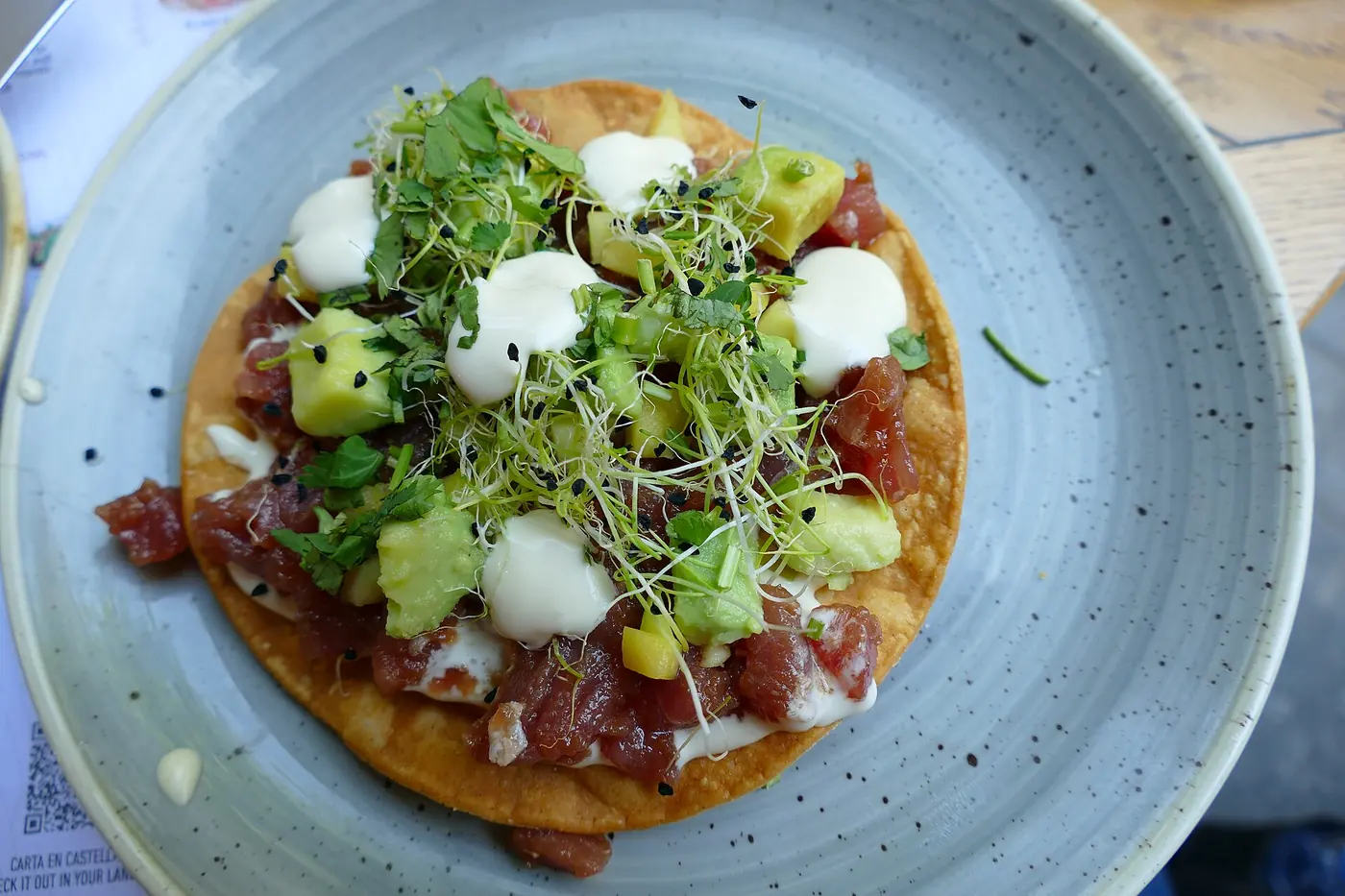

Short answerTo eat like a local in Barcelona, skip the tourist-trap paella and head to a tapas bar or market for a menú del día at lunch, then enjoy vermut before a late dinner. Locals eat lunch around 2–3pm and dinner after 9pm, so adjust your schedule. Use the tips from travellers and the spot list below to find authentic spots.
Tapas Bars: Where and How to Order
Tapas bars are all about standing at the bar, ordering a caña (small beer) or a glass of wine, and sharing small plates. Travellers report that bars with 'Bodega' or 'Rincón' in the name are usually cheaper; a cheap beer is around 2€ for 33cl, bravas 3.50€, and pan con tomate 2€. For a classic experience, try El Xampanyet in El Born, known for its tapas and cava, or Cal PEP for fresh seafood. In Gràcia, Bar Raspall offers a caña and a tapa for 2.80€ (reported by a user).
For pintxos, head to Carrer de Blai in Poble-sec, where you take a plate, select items, and pay by counting sticks (usually 1-2 Euros each). Blai 9 is the best one on the street, according to travellers. Other reliable tapas spots include Taller de Tapas (multiple locations), Tapas 24, and Paco Meralgo. Remember: never eat paella at a place with pictures of it on the menu or huge signs advertising it; good paella is typically only served for lunch, not in the evenings, and if served in less than 20 minutes, it's frozen.

Vermut: The Local Aperitif
Vermut (vermouth) is a beloved pre-lunch ritual in Barcelona, especially on weekends. Locals gather at vermuterias around noon for a glass of red vermut on ice with an olive and a slice of orange, often accompanied by a small tapa like olives or chips. While the spot list doesn't include specific vermuterias, you'll find them in neighborhoods like Gràcia and El Born. Look for bars with 'vermut' signs, and avoid places that feel too touristy. Travellers report that Can Paixano in El Born is a favorite for food and drink, confirmed by a local; it's known for its cava and sandwiches.
For a modern take, Fábrica Moritz Barcelona offers a range of beers and vermut in a stylish setting. The key is to enjoy it slowly, as locals do, before a late lunch. If you're unsure, ask for 'un vermut' and see what house brand they serve.
Local tipCheck reviews: if most of the good reviews are in English, the restaurant is probably bad; if most are in Catalan or Spanish, the place is good. This is a reliable insider tip from travellers.
Menú del Día: The Best Value Lunch
The menú del día is a fixed-price lunch (usually three courses plus bread and a drink) offered by most restaurants on weekdays. It's the best way to eat well without spending much. Locals eat lunch between 2pm and 3pm, so aim for that window. You'll find menú del día at places like El Resolís in Gràcia, which serves regional Catalan dishes, or Fonda Pepa, a Catalan restaurant also in Gràcia. In Eixample, Trobadour and el Racó offer daily menus.
Expect to pay around 10-15€ for a full menú, though prices vary. The menu usually includes a first course (like salad, soup, or pasta), a second (meat or fish), and dessert or coffee. House wine or water is often included. Avoid restaurants that are open too early for lunch; travellers report being suspicious of places open too early for things to actually be fresh, and one got food poisoning from a pastry at 7 AM.

Markets: La Boqueria and Beyond
La Boqueria is the most famous market, but travellers report it's overhyped and crowded, with pickpockets around. Still, it's worth a quick look for its vibrant stalls. For a more local experience, head to smaller markets like Mercat de Sant Antoni or Mercat de Gràcia. In markets, fresh squeezed juice is half the price of near tourist attractions and tastier, according to travellers. Pinotxo bar in La Boqueria is a classic spot for tapas and a drink, but be mindful of your belongings.
Other market-related spots include Market Restaurant in Sant Antoni, which focuses on regional cuisine. If you want to buy ingredients, Vila Viniteca in El Born is a great gourmet shop for wine and cheese. Remember to keep tabs on your pockets at La Boqueria; lots of pickpockets are around.
What travellers report
Pickpocketing is common in Barcelona's Gothic Quarter; keep valuables in secured pockets and avoid open backpack pockets.
A user reported a hand luggage bag was taken at Terminal 1 Vueling self check-in; keep passports on your person and never leave bags unattended.
When Locals Eat: Timing Your Meals
Locals eat lunch around 2–3pm and dinner after 9pm, often closer to 10pm. Many restaurants don't even open for dinner until 8:30 or 9pm. If you sit down for dinner at 7pm, you'll likely be surrounded by tourists. Adjust your schedule to eat later to experience the local rhythm. Breakfast is light, usually just coffee and a pastry, around 8–9am. The mid-morning snack (almuerzo) around 11am is common, and vermut before lunch on weekends is a ritual.
Travellers report that good paella is typically only served for the lunch time meal, not in the evenings. So if you want paella, plan it for lunch. Also, many shops and restaurants are closed from early August to early September, when locals go on vacation, so keep that in mind if visiting then.
Specific Places to Try from the Spot List
Here are some standout spots from the list that align with local eating habits:
- Can Paixano (El Born): A favorite for food, confirmed by a local. Known for cava and sandwiches. - El Xampanyet (El Born): Classic tapas bar with cava. - Cal PEP (El Born): Fresh seafood and tapas. - Bar Raspall (Gràcia): Caña and tapa for 2.80€ (reported by a user). - El Resolís (Gràcia): Regional Catalan dishes, good for menú del día. - Fonda Pepa (Gràcia): Catalan cuisine. - Pinotxo bar (Sant Antoni): Inside La Boqueria, great for tapas. - Paco Meralgo (Eixample): Spanish tapas. - Tapas 24 (Eixample): Spanish tapas. - 7 Portes (El Born): Historic restaurant, good for paella at lunch (travellers recommend for paella). - La Gambeta (not in list, but travellers recommend for paella).
Avoid places with 'PAELLADOR' on the menu or slogan; it's a franchise that supplies frozen paellas.
Questions people ask
What is the best time to eat tapas in Barcelona?
Tapas are typically eaten as a pre-lunch or pre-dinner snack, around 12–2pm or 7–9pm. Locals often enjoy them with vermut before lunch on weekends.
How much should I expect to pay for a menú del día?
Prices vary, but travellers report that a menú del día usually costs around 10–15€, including multiple courses and a drink. Confirm locally as prices change.
Is La Boqueria worth visiting?
It's famous but overhyped according to travellers. It's worth a quick visit, but for a more local experience, try smaller markets like Mercat de Sant Antoni. Be aware of pickpockets.
Where can I find good paella in Barcelona?
Travellers recommend La Gambeta or 7 Portes for paella. Remember that good paella is typically served only at lunch, not dinner, and should take at least 20 minutes to cook.
What is vermut and when do locals drink it?
Vermut is a fortified wine, usually red, served on ice with an olive and orange slice. Locals drink it as an aperitif before lunch, especially on weekends, around noon.
Do I need to book restaurants in advance?
For popular paella places, yes, because paella takes time to cook. For tapas bars, it's usually not necessary, but some trendy spots can get crowded. Check locally.
Compiled from OpenStreetMap, Wikivoyage and traveller reports. Confirm prices and opening hours locally. About
Keep planning
3 Days in Barcelona: First-Timer Itinerary with Transport
A realistic 3-day Barcelona itinerary for first-timers, day by day, with transport logic and local tips.
5-Day Barcelona Itinerary: Beyond the Obvious with Slow Days
A 5-day Barcelona itinerary that skips the crowds, includes slow days, and covers local spots like Bunkers del Carmel and Hospital de Sant Pau.
Barcelona Beaches: A Local's Guide to Swimming Spots
Compare Barcelona's beaches: Barceloneta, Sant Sebastià, Nova Icària, Bogatell, Mar Bella and more. Crowds, facilities, access and safety tips.